Garden waste permits and local waste collectors South West London
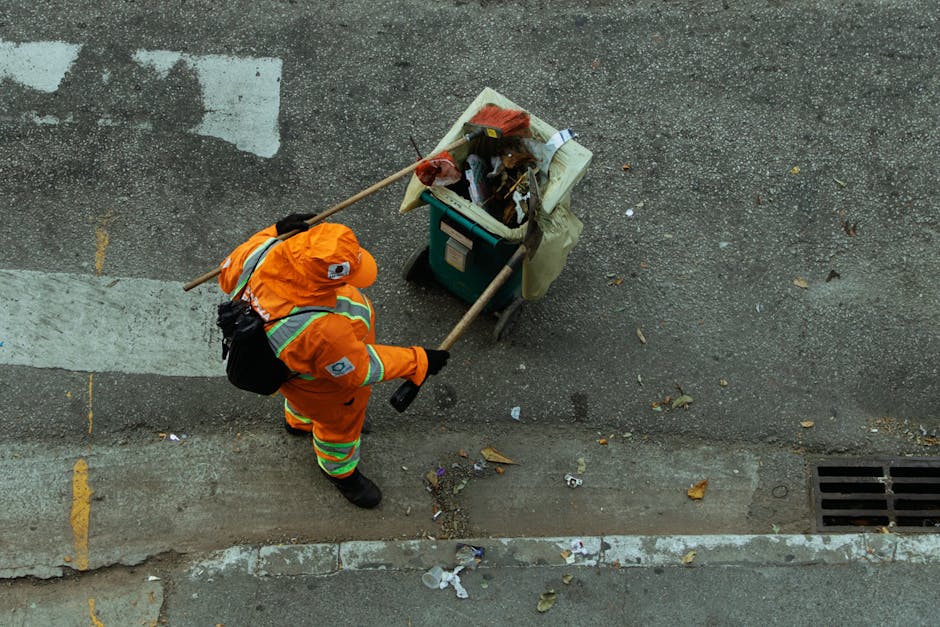
If you have a pile of hedge cuttings, soil, brambles, old turf, or a half-finished garden project sitting in the corner, you are not alone. Garden waste has a habit of growing quietly in the background, then suddenly becoming the thing you need shifted by Friday. This guide to Garden waste permits and local waste collectors South West London explains when permits may matter, how local collection usually works, and how to choose a service that keeps things simple, legal, and properly handled.
Truth be told, most people do not want a lecture on waste rules. They want to know: can it be taken away, do I need permission, how much hassle will it be, and who can do it locally without making the job harder than it needs to be? That is exactly what this article covers, with a practical focus on South West London and the real situations homeowners, landlords, gardeners, and small businesses run into every week.
For readers who also need broader clearance help, it may be useful to look at our garden clearance, waste collection, and rubbish removal services as part of a wider clean-up plan.
Why Garden waste permits and local waste collectors South West London Matters
Garden waste sounds simple until you try to move a proper load. A few sacks of grass cuttings are one thing. A van-load of wet branches, ivy, compost, broken pots, and old fencing is another. That is where permits, collection rules, access issues, and local knowledge start to matter.
In South West London, space is often tight. Roads can be busy, driveways short, and parking awkward. A local waste collector who understands the area can save a surprising amount of time because they are used to narrow streets, controlled parking zones, basement access, shared driveways, and the sort of "it should be easy" job that turns into a two-person lift and a careful carry through a side gate.
Permits matter because not every collection setup is the same. If a vehicle needs to stop on a public road, or if the load involves skip-style placement or street use, permission may be needed depending on the arrangement. Garden waste collectors often work in ways that avoid unnecessary disruption, but it is still sensible to understand whether the job needs advance approval, particularly if you are dealing with a bigger clear-out or timed access.
There is also the environmental side. Mixed garden waste is not just "green stuff". Soil contamination, plastic plant pots, treated timber, and hidden rubble can change how it must be handled. A collector who knows what they are doing will separate usable organic material from general rubbish rather than bundling everything into one mystery pile. That makes a difference, and not a small one.
To be fair, a lot of people only realise this after they have dragged three bags of damp cuttings to the front path and then wondered why nobody wants to take them without asking a few questions. Fair enough. The more you know beforehand, the smoother it goes.
How Garden waste permits and local waste collectors South West London Works
The process usually starts with sorting the waste. Garden waste collectors will generally want to know what is being removed, roughly how much there is, and whether it is purely green waste or a mix of garden and general rubbish. That distinction matters because mixed loads can require different handling.
Here is the usual flow in plain English:
- Assess the waste - You describe the materials: hedge trimmings, grass, branches, leaves, soil, old sleepers, plant pots, or anything awkward like broken fence panels.
- Check access - The collector considers where the waste is located, whether they can park close enough, and whether there are stairs, steps, tight gates, or shared access.
- Confirm permit needs - If the job affects public highway space, parking, or placement arrangements, the collector or customer may need to deal with permits or local restrictions.
- Book a collection window - This is usually arranged around your access times. Morning pickups are often easier in London, especially if the street gets busy later.
- Load and remove - A good team will load carefully, avoid damage to paths and fences, and keep the site tidy. You really notice the difference when someone does this properly.
- Sort and dispose responsibly - Garden waste should be separated for appropriate disposal or processing, while non-green items should not be hidden in the pile.
If your garden job has spill-over into other kinds of waste, such as old cupboards from a shed or furniture from a conservatory, related services like garage clearance, furniture disposal, or home clearance may be more practical than treating everything as garden waste.
A permit is not always required for a straightforward off-road pickup. But if a vehicle is waiting in a restricted spot, or the collection involves a temporary road use arrangement, this is where local rules come into play. The exact process can vary by borough and by how the waste is being collected. That is why local experience matters more than a generic "we collect everything" promise.
Key Benefits and Practical Advantages
There are a few obvious benefits to using a local collector for garden waste. Some are practical, some are less visible but just as useful.
- Faster turnaround - Local teams can often work around South West London traffic patterns and access constraints better than a distant operator.
- Less manual strain for you - No need to bag everything, lift it into a car, and make multiple trips to a disposal site.
- Cleaner finish - Good collectors do not leave a trail of twigs, mud, and leaf debris behind them.
- Better handling of mixed waste - If your garden waste includes awkward bits like broken trellis or old pots, it is handled more sensibly.
- Reduced compliance risk - Using a reputable collector helps avoid the awkward situation of waste being dumped improperly or taken without the right paperwork.
- Less disruption - For households, landlords, and small businesses, that matters. Nobody wants a collection day to become a half-day project.
There is a comfort in knowing the job is being dealt with properly. You hear the van, the scrape of a wheelbarrow, the bags being loaded, and suddenly the garden feels usable again. A small win, yes, but a good one.
For bigger clean-ups where garden debris is just one part of the picture, rubbish clearance and waste removal can help keep the project moving without turning your driveway into a temporary landfill. Dramatic, but you know the feeling.
Who This Is For and When It Makes Sense
This topic is relevant to a wide range of people, and not just homeowners with a big back garden. In South West London, plenty of properties have compact outdoor spaces, shared access, balcony planters, or rear gardens that become cluttered after a season of pruning and maintenance.
You may need garden waste collection if you are:
- a homeowner clearing up after landscaping or seasonal pruning
- a tenant moving out and leaving an outdoor space in better condition
- a landlord preparing a property for new occupants
- a gardener or tradesperson dealing with cuttings from a one-off job
- a small business maintaining a courtyard, frontage, or outdoor display area
- someone who has mixed garden waste with old household clutter and needs a combined solution
It makes sense when the waste is too much for the council bin, too bulky for a normal car, or too messy to deal with yourself. It also makes sense when time is the real issue. Let's face it, many garden jobs start as "I'll clear that this weekend" and then a month later you are still stepping around the pile.
If your outdoor clean-up is linked to a larger property project, you may also find house clearance or flat clearance helpful if the job has spread indoors as well. Gardens and interiors have a funny way of joining forces like that.
Step-by-Step Guidance
If you want the cleanest result with the fewest surprises, follow a simple process. It is not glamorous, but it works.
- Separate green waste from general rubbish
Start with the obvious: leaves, branches, grass, weeds, roots, and other organic material. Then isolate plastic pots, broken furniture, rubble, damaged tools, and anything else that does not belong in the green pile.
- Estimate volume honestly
A small sack or two is different from a full garden makeover. Be realistic. A collector can only plan properly if they know whether this is a tidy-up or a full-on clear-out.
- Check the access route
Measure narrow gates, note stairs, and think about parking. If the team has to wheel everything a long way, that affects the job. It is better to say so upfront than to improvise on the day.
- Ask about permit or parking needs early
If the collector needs roadside access or if the job creates a temporary parking issue, ask how that is handled. This is the moment to avoid last-minute headaches.
- Agree what happens to mixed materials
Some garden jobs include a bit of everything. Make sure you know whether the collector will take soil, timber, pots, and non-green items, or whether those need separate handling.
- Prepare the waste in a tidy, workable way
Loose piles are fine in some cases, but bagging or bundling can speed things up. That said, do not overpack bags so they split in the driveway. We have all seen that kind of chaos.
- Confirm responsible disposal
Ask how the waste will be taken away and whether it will be processed appropriately. A professional answer should sound clear, not vague.
If you want the job to feel manageable rather than endless, small prep steps really help. A quick sweep, clear pathway, and separated piles can cut stress more than most people expect.
Expert Tips for Better Results
Over time, the difference between a smooth collection and a fiddly one usually comes down to small details. Nothing fancy. Just sensible habits.
Tip one: keep soil separate unless you have confirmed it can be taken as part of the job. Soil is heavy, and heavy changes the game quickly.
Tip two: do not mix builder's rubble into garden waste unless the collector knows that is included. Broken bricks, concrete, and tiles are a different category altogether. If your project includes hardcore or renovation debris, builders waste is a more fitting service.
Tip three: trim long branches into manageable lengths if you can do so safely. The job is faster, and the load is usually easier to handle.
Tip four: keep wet waste in mind. A pile of soggy grass on a rainy London morning weighs far more than it looks. Annoying, but very real.
Tip five: ask whether the collector can handle a broader waste mix in one visit. If your shed has gone from storage room to archaeological site, combining services may save time. For example, garage clearance can complement garden collection where outdoor clutter and storage overflow meet.
Expert summary: The best garden waste collection jobs are the ones that are planned around access, load type, and disposal method before anyone arrives. That one bit of preparation usually prevents most of the hassle.
Common Mistakes to Avoid
A few mistakes come up again and again. Easy to make, easy to avoid once you know what to look for.
- Assuming all green waste is the same - It is not. Branches, grass, roots, and soil behave very differently when loaded and disposed of.
- Mixing everything together - If you hide plastic, rubble, or old timber in the pile, it can complicate collection and disposal.
- Forgetting about access - A team arriving at a locked gate or with nowhere to park is not a good start.
- Leaving permit questions until the last minute - If street access is part of the job, ask early. Seriously, early.
- Choosing purely on speed - Fast is good. Proper is better.
- Underestimating the volume - Garden waste expands when cut and cut again. A neat hedge can become a suspiciously large pile.
- Ignoring weather and timing - Wet conditions can make loading slower and messier. A dry window, even a short one, can help a lot.
The biggest one? Not checking what the collector actually takes. If you need a combined waste solution, do not assume garden waste alone will cover the lot. That is where a more general waste clearance approach can make more sense.
Tools, Resources and Recommendations
You do not need a garage full of specialist kit, but a few simple tools can make garden waste easier to manage before collection day.
- Heavy-duty sacks or reusable garden bags - useful for leaves, weeds, and lighter clippings
- Tarpaulin - handy for dragging material across a patio without leaving a mess
- Gloves - common sense, really, especially for brambles and broken stems
- Secateurs or loppers - to reduce branch size safely
- Wheelbarrow - saves your back when moving material to a collection point
- Rake and broom - for the final tidy-up after loading
On the planning side, keep a note of what you are disposing of, especially if the job is part of a larger property clear-out. A quick list on your phone is enough. Nothing glamorous. Just useful.
If you need household items removed at the same time, services such as furniture disposal or sofa removal can help reduce the number of separate arrangements you need to make. That matters when you are juggling builders, gardeners, and normal life all at once.
Law, Compliance, Standards, or Best Practice
When people talk about waste compliance, they often think it sounds more complicated than it is. The plain version is this: waste should be handled by a legitimate collector, kept separate where necessary, and disposed of in a responsible way. If a job requires permits or local permission because of parking, loading, or street use, that should be sorted properly before collection.
In the UK, households and businesses should be careful about who removes their waste. If a collector is taking material away, it is reasonable to expect them to operate responsibly and to be able to explain what happens to it. You do not need a lecture. You do need confidence that it will not be dumped somewhere it should not be.
Best practice is simple:
- describe the waste accurately
- separate garden waste from hazardous or non-green material
- check access and parking needs beforehand
- use a collector who understands local conditions
- confirm how mixed waste will be handled
For businesses or landlords, the standard should be even tighter. If the waste comes from a managed property, communal garden, or commercial frontage, you need a service that can keep records tidy and the site presentable. That is one reason people often combine garden collection with business waste or office clearance when the project has more than one moving part.
Options, Methods, or Comparison Table
There are a few ways to deal with garden waste in South West London. The best option depends on volume, access, timing, and how mixed the waste is.
| Method | Best for | Pros | Limitations |
|---|---|---|---|
| Local waste collector | Most garden clear-ups, especially with limited access | Convenient, flexible, local knowledge, quick turnaround | May depend on access and the type of waste |
| Combined clearance service | Gardens with mixed waste, sheds, or outdoor clutter | One visit can cover more than one job | Needs clearer item list and planning |
| Self-load and dispose | Small loads and DIY-minded jobs | Low cost in theory, full control | Time-consuming, labour-heavy, vehicle needed |
| Skip-style approach | Large projects with ongoing waste generation | Useful for bigger landscaping works | Can require permits and space, not always practical in tight streets |
For most local households, a waste collector is the least stressful route. For larger, ongoing, or mixed jobs, a broader waste solution may fit better. If the pile keeps growing because the garden project is not quite finished yet, that is normal. Slightly annoying, but normal.
Case Study or Real-World Example
A typical South West London scenario goes like this: a homeowner in a terraced property decides to tidy a small rear garden after a long winter. There is a hedge to cut back, an old stack of planters, weeds from the side return, and a few bags of soil left over from a border refresh. On paper, it sounds manageable. In reality, the narrow access path, a couple of steps, and nowhere to store the waste make it awkward.
Instead of trying to push everything into the family car over three trips, the homeowner arranges a local collection. They separate the green waste from cracked pots and an old garden chair, confirm where parking will be possible, and keep the load accessible near the back gate. The collector arrives, loads the material efficiently, and clears the final sweep of leaves from the path.
The difference is not just the removal itself. It is the fact the garden becomes usable again the same day. No damp bags sitting around. No guessing where to take it. No messy second trip in the evening when everyone is tired. A small job, yes, but a proper relief.
That kind of practical result is what local waste collectors do well when the work is planned properly and the waste is described honestly.
Practical Checklist
Use this simple checklist before collection day:
- Have I separated green waste from general rubbish?
- Have I checked for soil, rubble, treated timber, or other mixed materials?
- Do I know roughly how much needs removing?
- Is access clear for the collection team?
- Have I thought about parking or permit issues if roadside access is involved?
- Are gates, side paths, and steps easy to use?
- Have I bundled or bagged the waste in a sensible way?
- Do I need any related services for shed, household, or furniture items?
- Have I confirmed the collection time and any special instructions?
- Is the site clear enough for a quick tidy-up after loading?
One last tip: keep a little extra time on the day. Even well-run jobs can take a few minutes longer than expected if the weather turns or the path is more awkward than it looked the day before. London gardens have a sneaky way of doing that.
Conclusion
Garden waste permits and local waste collectors South West London is really about making a straightforward job feel straightforward. The right approach saves time, reduces stress, and helps make sure the waste is handled properly. For small tidy-ups, a local pickup may be all you need. For bigger or mixed jobs, combining services can save even more effort.
The main thing is not to leave planning until the pile becomes a problem. If you sort the waste, check access, and understand whether any permit or parking issue might apply, the whole job becomes easier. That little bit of order makes a big difference.
Get a free quote today and see how much you can save.
And if the garden finally feels clear enough to sit out with a cup of tea for five quiet minutes, well, that is usually the best sign the job was worth doing.
Frequently Asked Questions
Do I need a permit for garden waste collection in South West London?
Not always. It depends on how the collection is arranged, where the vehicle needs to stop, and whether any public space or parking restrictions are involved. A local collector can usually advise based on the exact setup.
What counts as garden waste?
Typical garden waste includes grass cuttings, hedge trimmings, branches, leaves, weeds, roots, and other green material. Soil, rubble, plastic pots, and broken garden furniture are usually treated separately.
Can a local waste collector take mixed garden and household waste?
Often, yes, but it depends on the service. If your pile includes indoor clutter, furniture, or storage items, a broader clearance service may be more suitable than garden waste alone.
How should I prepare garden waste for collection?
Keep green waste separate, bag lighter material if practical, and make sure the team can access the load easily. If possible, reduce the size of larger branches and keep the pathway clear.
Is soil included in garden waste removal?
Sometimes, but not always in the same way as green waste. Soil is heavy and may affect pricing or handling, so it is worth mentioning it early.
What if I have old fence panels or broken sheds?
Those items are usually not treated as standard green waste. They may fall under general rubbish or builders-type waste, depending on the material and condition.
Are local waste collectors better than taking it myself?
For many people, yes. Local collectors save time, reduce heavy lifting, and avoid multiple trips. If access is awkward or the load is bulky, the convenience is often well worth it.
Can garden waste be collected from flats or properties with shared access?
Yes, but access planning matters more in those situations. Shared entrances, stairwells, and tight courtyards can all affect how the collection is carried out.
What is the difference between garden clearance and garden waste collection?
Garden waste collection usually focuses on removing green or outdoor waste. Garden clearance can be broader and may include mixed items, shed contents, or general outdoor clutter.
How far in advance should I book a collection?
As soon as you know what needs moving. If you are working to a deadline, a move-out, or a weekend garden project, booking earlier gives you more flexibility.
What should I ask a waste collector before booking?
Ask what they take, whether mixed waste is acceptable, how access is handled, and whether any parking or permit issues need attention. Clear answers are usually a good sign.
Can garden waste be taken away after landscaping work?
Yes, and that is one of the most common reasons people book a local collector. Landscaping jobs often produce more waste than expected, especially once the cutting and digging starts.
What happens if I have too much waste for one load?
You can usually arrange a larger collection or split the job into stages. For bigger projects, it can be better to plan the clearance alongside the work rather than waiting until the end.
If you are comparing options, start with the simplest question: what exactly needs removing, and how easy is it to reach? Once that is clear, the rest becomes much more manageable.